
Blog
How to Freeze Your Credit to Stop Identity Theft

Identity theft has become one of the fastest-growing crimes in America. The good news is, you can take a simple yet powerful step to protect yourself: freezing your credit. This guide will walk you through what a credit freeze is, how it works, and how you can set it up for free in just a few minutes.
Contents
What Is a Credit Freeze?
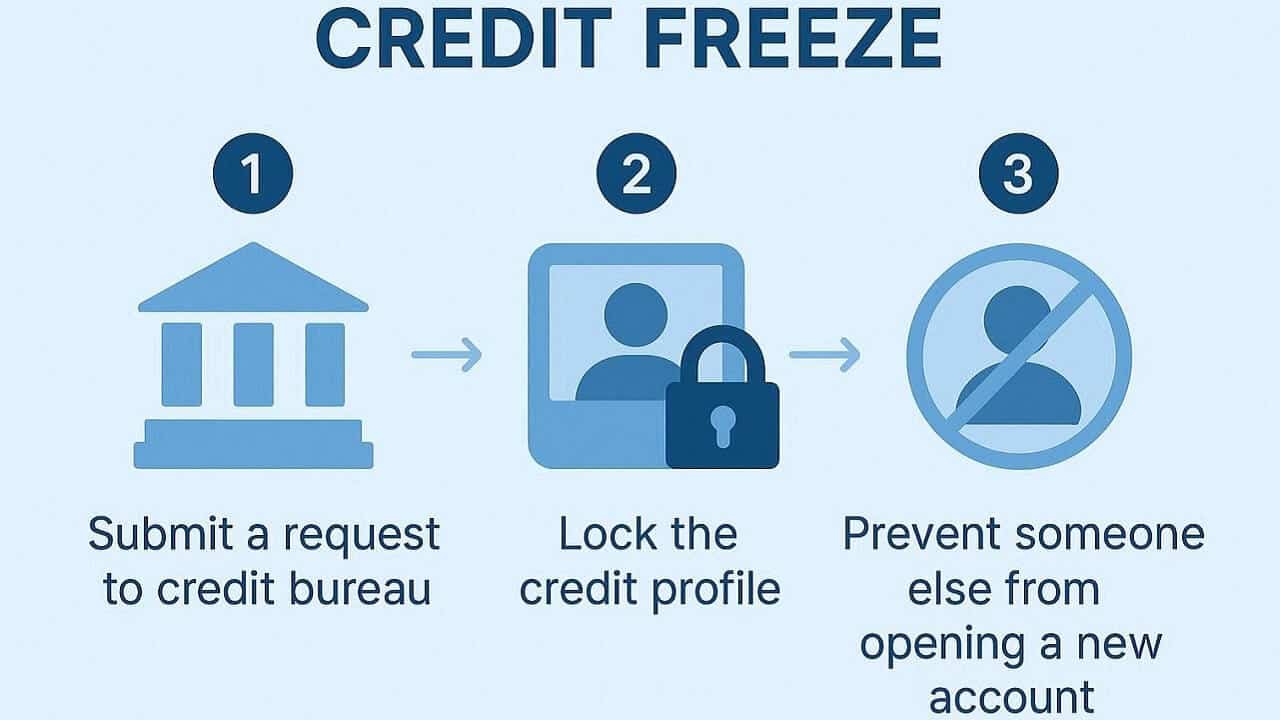
A credit freeze (also known as a security freeze) restricts access to your credit report. That means new creditors—like banks or credit card companies—can’t view your report to approve new accounts in your name. It doesn’t affect your credit score or existing accounts, but it stops identity thieves from opening new ones.
Why Freezing Your Credit Helps Prevent Identity Theft
When a scammer steals your personal information (like your Social Security number), they often try to open credit cards or loans in your name. If your credit is frozen, lenders can’t pull your report—and those fraudulent applications get denied. It’s one of the most effective ways to block new-account fraud.
How to Freeze Your Credit for Free
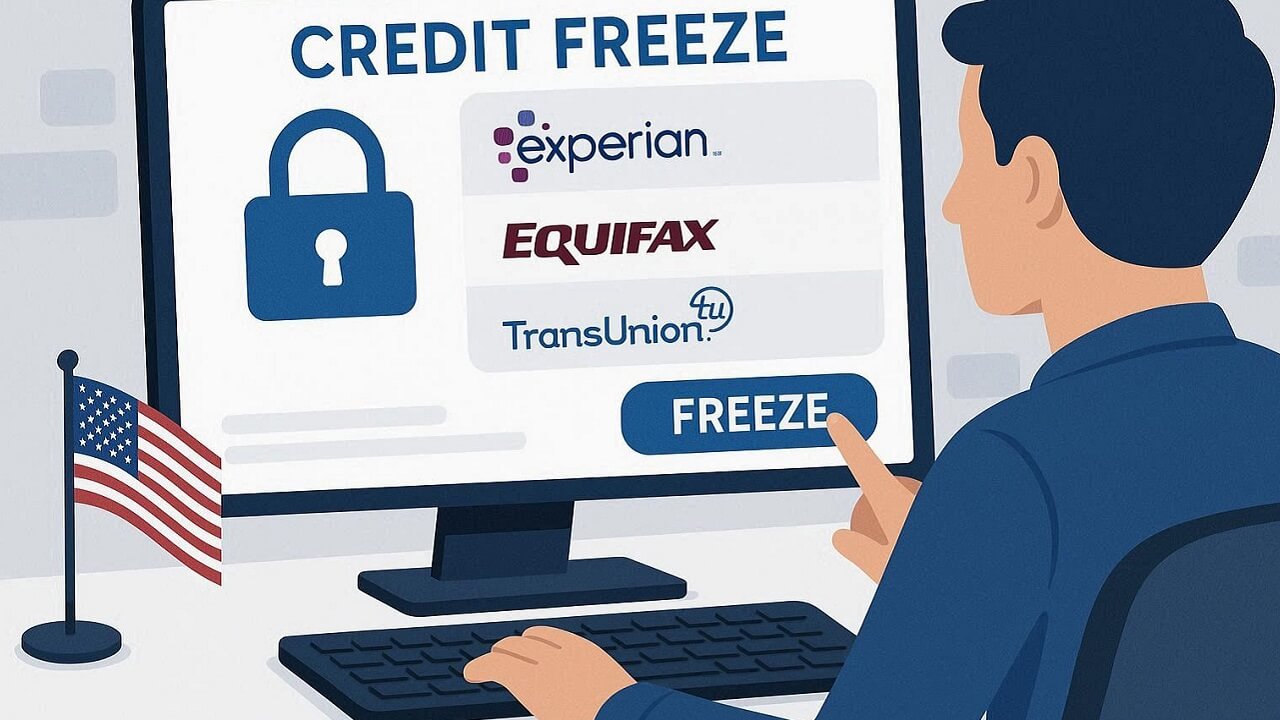
You’ll need to contact all three major credit bureaus individually. Here’s how:
1. Experian
- Go to Experian Freeze Center.
- Click “Freeze my credit” and create an account.
- You’ll get a PIN or password for unfreezing later.
2. Equifax
- Visit Equifax Credit Freeze.
- Choose “Place a Freeze” and verify your identity.
- You can also call 1-800-685-1111 if you prefer phone service.
3. TransUnion
- Go to TransUnion Credit Freeze.
- Sign up for a free account to manage your freeze online anytime.
Pro Tip: While you’re freezing your credit, it’s smart to add extra protection. Try using an Identity Theft Protection Service like Identity Guard or LifeLock to monitor your data and alert you to suspicious activity in real-time.

How to Unfreeze Your Credit
If you need to apply for new credit, you can temporarily lift or “thaw” your freeze. You’ll log into each bureau’s website and use your PIN or password. You can choose how long to unfreeze—like 1 day or 1 week—then it automatically refreezes.
Does Freezing Your Credit Affect Your Score?
No, freezing your credit doesn’t hurt your credit score. It simply restricts access to your credit reports for new applications. You can still use your existing credit cards and loans as usual.
Other Smart Steps to Protect Your Identity
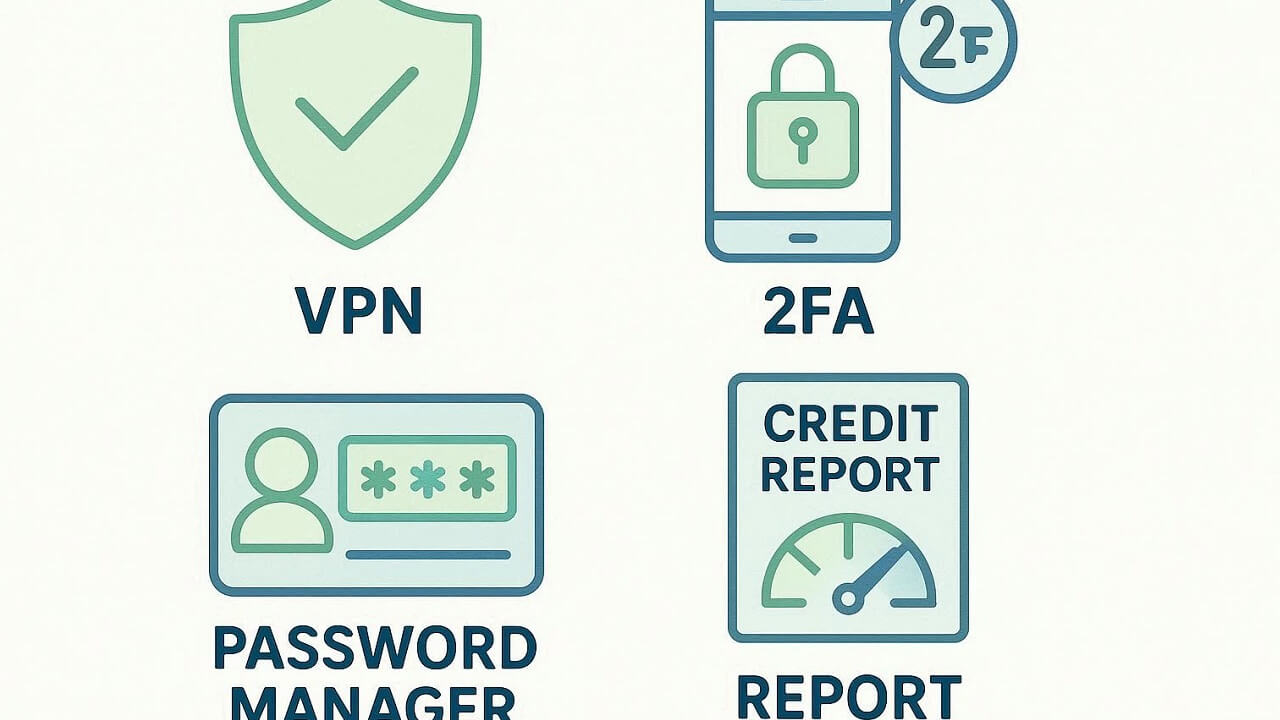
- Use a VPN when connecting to public Wi-Fi.
- Enable two-factor authentication (2FA) on all your accounts.
- Use a password manager to generate and store strong passwords.
- Regularly check your free credit reports for unusual activity.
Final Thoughts

Freezing your credit is one of the easiest and most effective ways to stop identity theft before it starts. It costs nothing, takes just minutes, and gives you peace of mind knowing that no one can open credit in your name without your consent.
If you want to go one step further, pair your credit freeze with a trusted identity theft monitoring service to stay alert 24/7.
Frequently Asked Questions
Is freezing my credit free?
Yes. All three major credit bureaus (Experian, Equifax, and TransUnion) are required by law to offer free credit freezes and thaws.
Can I still use my credit cards after freezing my credit?
Absolutely. A credit freeze only prevents new credit lines—it doesn’t affect your existing accounts or your ability to use them.
How long does a credit freeze last?
Indefinitely, until you lift or remove it. You can unfreeze your credit anytime online or by phone using your PIN or password.
Do I need to freeze my credit with all three bureaus?
Yes. You must contact Experian, Equifax, and TransUnion separately to fully protect yourself from identity theft.
