
Blog
What to Do If Your Social Security Number Gets Stolen
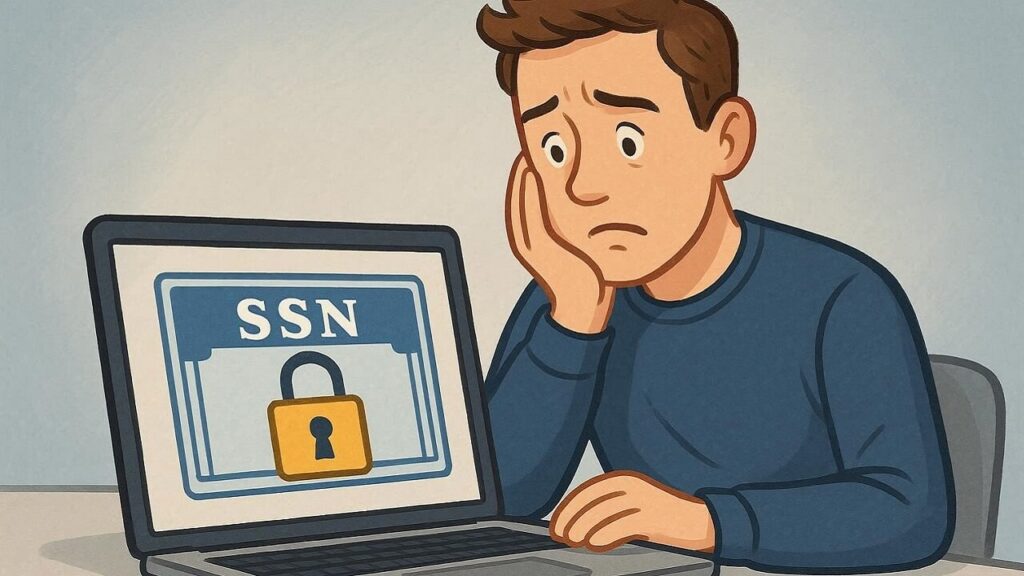
Your Social Security number (SSN) is one of the most valuable pieces of your identity. If it falls into the wrong hands, thieves can open credit cards, file fake tax returns, or even apply for loans under your name. Don’t panic — but act fast. Here’s a step-by-step guide on what to do if your Social Security number gets stolen.
Contents
1. Confirm the Theft and Stay Calm
First, make sure your SSN was actually compromised. Maybe you lost your wallet, got a data breach notice, or saw suspicious activity on your credit report. If you suspect it’s stolen, start taking action immediately.
2. Contact the Social Security Administration (SSA)
The SSA won’t issue a new number unless there’s clear proof of misuse, but it’s still important to contact them directly. They can review your records and add security notes to your file.
3. Report Identity Theft to the FTC
Go to IdentityTheft.gov, a website managed by the Federal Trade Commission (FTC). You can create a personal recovery plan, file an official report, and print pre-filled letters to send to creditors and agencies.
Affiliate Tip: While dealing with identity theft, it’s smart to sign up for an identity protection service such as Aura or LifeLock. These services can monitor your credit and alert you to suspicious activity instantly.
4. Freeze or Lock Your Credit
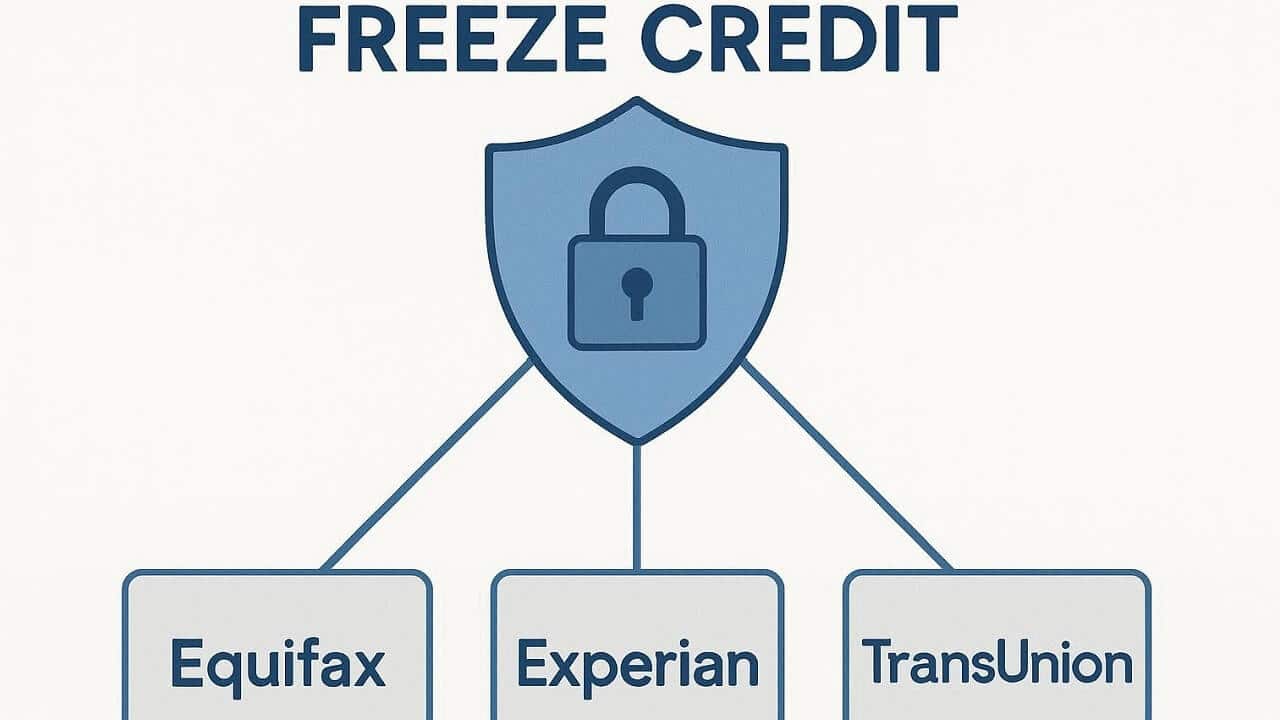
Freezing your credit stops new accounts from being opened in your name. Contact all three major credit bureaus:
If you prefer convenience, consider a service that lets you monitor all three at once. Credit monitoring tools can alert you to new activity across all your accounts.
5. Check Your Credit Reports
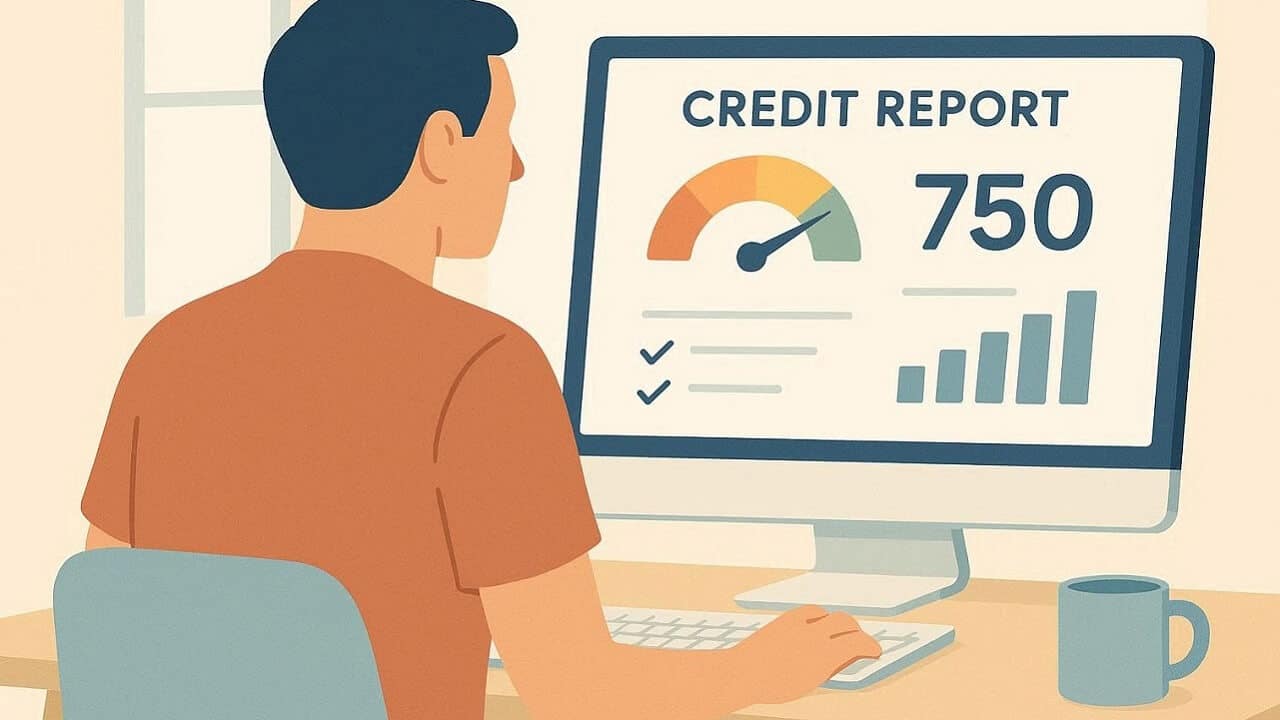
Visit AnnualCreditReport.com to get free weekly reports from all three bureaus. Review each one for unfamiliar accounts, credit cards, or inquiries.
6. Set Fraud Alerts
You can set a one-year fraud alert with one credit bureau (they’ll notify the others). This tells lenders to verify your identity before opening any new accounts.
7. Secure Your Online Accounts
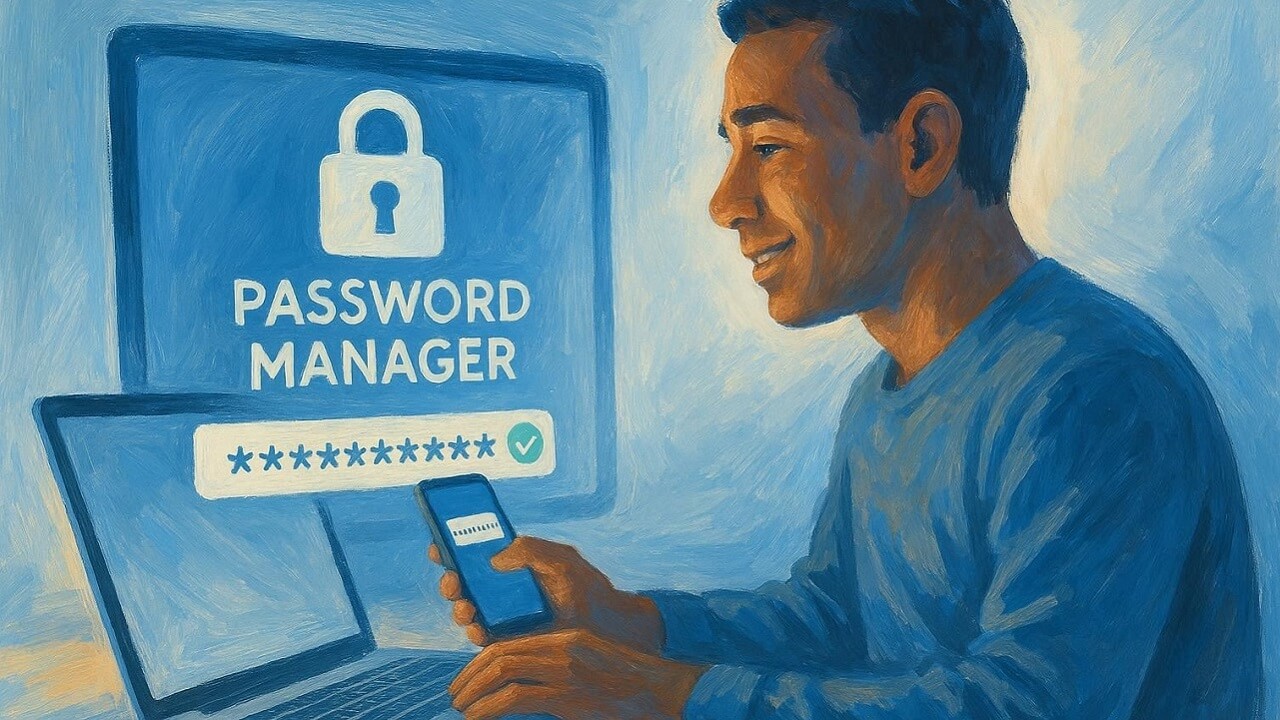
Change passwords on your email, banking, and financial accounts. Use strong, unique passwords for each account.
Pro tip: A password manager can create and remember complex passwords for you. It’s one of the easiest ways to improve your digital security.
8. Monitor for Future Identity Theft
Even after fixing the immediate problem, identity theft can resurface months later. Keep an eye on your bank statements, tax filings, and credit activity.
For long-term protection, tools like Aura or LifeLock offer 24/7 identity monitoring and fraud alerts — so you can rest easy.

Final Thoughts
Having your Social Security number stolen is scary — but you’re not powerless. By freezing your credit, filing reports, and using protection tools, you can stop the damage and prevent it from happening again. Take action today — your future self will thank you.
Affiliate Disclosure:
This post contains affiliate links. If you purchase through these links, I may earn a small commission at no extra cost to you. I only recommend services I truly trust and use.
